
Therapy for First Responders
You know the job. I know the culture. We can start there.
For 25 years, I have lived the first-responder life. I understand the culture, the stress, the humor, the responsibility—and what can happen when years of taking care of everyone else and carrying the weight begin to catch up with you.
It’s Not Always PTSD
When people hear “first responder therapy.”, they often immediately think about trauma and PTSD. Sometimes that’s exactly why someone comes in. But sometimes it isn’t.
First responders come to therapy because they’re anxious, burned out, irritable, exhausted, having problems at home, struggling with sleep, grieving, drinking more than they used to, gambling, or simply realizing that something has changed. Sometimes there’s one call you can’t stop thinking about. Sometimes it’s years of calls you thought you’d forgotten. And sometimes what’s bother you has nothing to do with the job at all.
You don’t need a diagnosis or a dramatic story to get support. If something isn’t working the way you want it to, that’s enough of a place to start.

The Job Can Follow You Home
You may be excellent at functioning when when things go sideways. That’s part of the job. But the habits that help you function in a crisis don’t always translate well to life at home.
Always being alert can make it difficult to relax. Compartmentalizing can turn into emotional distance. Being in control can make vulnerability uncomfortable. After spending a career seeing what can happen on people’s worst days, it can be difficult to simply switch that awareness off.
Therapy can help you understand what’s happening without asking you to be someone you are not.

Therapy That Feels Like a Conversation
If you’re picturing sitting across from someone silently taking notes while occasionally ask, “And how does that make you feel?”—that’s not what I’m trying to create. I’m warm, straightforward, down-to-earth, and easy to talk to. I also have a strong sense of humor. There will be times when we’re talking about difficult things. There will probably also be times when we laugh. Both belong in therapy.
You don’t need to use clinical language. You don’t have to tell me everything in the first session. My approach is practical and collaborative. We’ll figure out what’s happening, what’s underneath it, what isn’t working anymore, and what can realistically change.
The Experience of Serving Doesn’t Always End When the Shift—or the Career—Does.
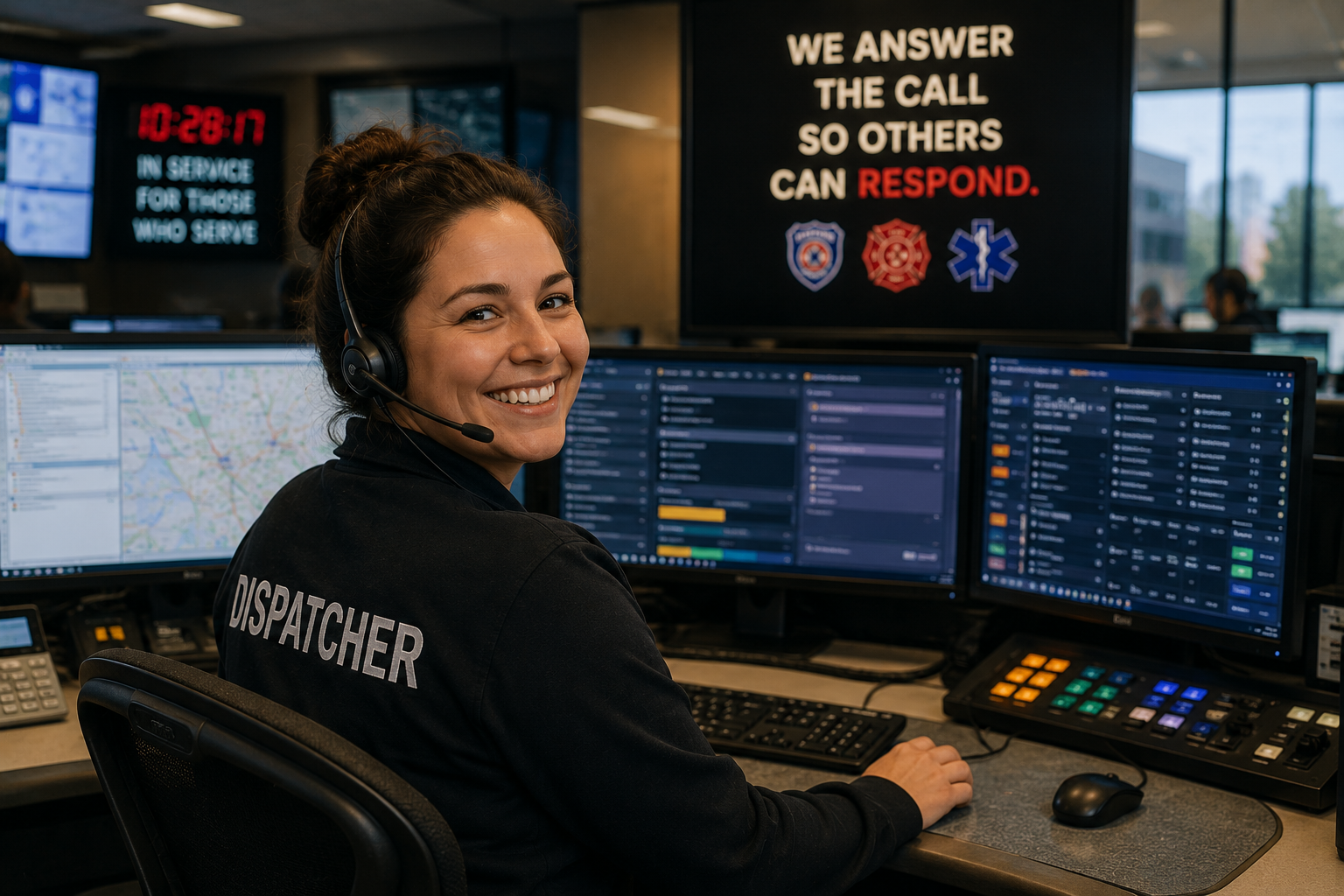
I also work with healthcare professionals, veterans, dispatchers, corrections professionals, and others whose work has meant repeatedly showing up for people during some of the hardest moments of their lives.

Sometimes the Things That Help Us Cope Become Problems of Their Own
Compartmentalizing, staying busy, working overtime, isolating yourself, drinking, gambling, using substances, or finding other ways to shut your brain off may work for a while. Until they don’t.
If you’re concerned about how you’re coping, I’m not interested in judging you for it. I’m interested in understanding what the behavior is doing for you and what you’re trying to shut off or not feel. From there, we can work on healthier ways of managing what’s underneath it.—not simply taking away the thing you’ve been using to survive.


You Shouldn’t Have to Explain the Culture Before You Can Talk About What’s Wrong
One of the reasons first responders hesitate to try therapy is pretty understandable: “Is this person actually going to get it?”
With 25 years of experience as a first responder, I understand the culture because I have lived it. You don’t have to spend half of your session teaching me about the job before we can start talking about you.